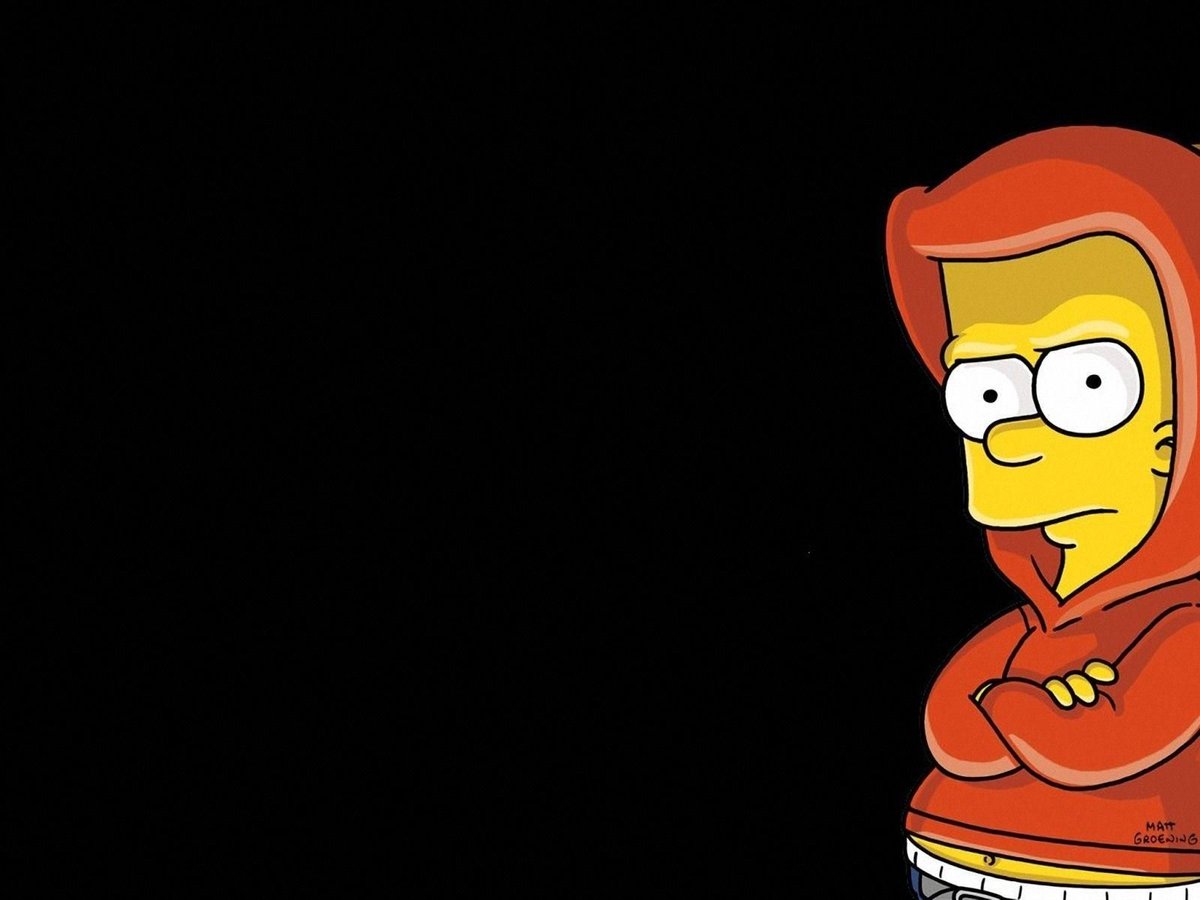
The Simpsons holds a unique place in pop culture, a seemingly immutable fixture in our collective consciousness. Yet, even the most iconic characters aren't immune to reinvention, especially through the vibrant lens of online fan culture. Enter "Black Bart Simpson," a distinctive visual phenomenon that has taken the internet by storm. This isn't an official character from the long-running series, but rather a powerful, fan-created interpretation that reimagines Bart Simpson with a darker skin tone and often, a more edgy, streetwear aesthetic. Its popularity highlights the dynamic interplay between beloved media, fan agency, and evolving discussions around representation and identity.
This visual remix stands as a testament to the creativity and transformative power of online communities. From stylish wallpapers to thought-provoking art, Black Bart has become a prominent figure in digital art spaces, inspiring countless creators and sparking conversations far beyond mere aesthetics. It's a fascinating example of how audiences engage with and reshape the stories and characters they love.
The Birth of a Cultural Remix: Tracing Black Bart's Digital Footprint
The emergence of Black Bart Simpson wasn't an isolated event; it grew organically from various corners of the internet. Initially appearing as distinct fan art pieces, this character quickly resonated with a broad audience, evolving into a recognizable meme and a popular subject for digital artists. The shift from an initial idea to a widespread trend speaks volumes about the collective nature of online creativity and how visual tropes can quickly gain traction. To truly understand its rapid spread and the nuances behind its visual appeal, it's essential to Explore Black Bart meme origins. Understand how this phenomenon first captured the imagination of internet users, tracing its journey from niche art to a mainstream digital sensation.
Deep Dive into Fan Creativity and Community Expression
The sheer volume and diversity of Black Bart art are staggering. Artists have embraced this concept, infusing it with varied styles, narratives, and cultural references, making it far more than just a simple recoloring. This thriving creative output showcases the passion and skill within fan communities, providing a platform for self-expression and cultural dialogue. These communities don't just consume; they actively participate, remix, and create, shaping new narratives around established icons.
If you're curious about the intricate web of digital artists, forums, and social media trends that have fueled this movement, Explore Black Barts fan culture. Dive into how fans connect, share, and continually push the boundaries of this unique subculture. Discover the platforms where artists showcase their work and how these collective efforts maintain the character's enduring popularity.
Beyond the Image: Social Commentary and Thematic Resonance
While visually striking, the reimagining of Bart Simpson as Black Bart often carries deeper thematic weight. For many, it's an opportunity to explore ideas of representation, identity, and cultural shifts within animation and broader media. This fan creation can inadvertently, or quite deliberately, act as a mirror reflecting societal conversations. It prompts questions about who gets to see themselves in iconic characters and how diverse portrayals can enrich storytelling.
This phenomenon also opens up conversations about satire and social commentary inherent in The Simpsons itself. By transforming a character, fans often imbue them with new layers of meaning, sometimes using the art to critique or comment on aspects of society. If you're interested in the layers of meaning and the discussions sparked by this character, Explore Black Barts social satire and its potential role in broader cultural discourse.
Addressing Representation: The Simpsons and Its Evolving Dialogue
The conversation around Black Bart Simpson inevitably leads to discussions about racial representation in The Simpsons and other long-standing media franchises. For decades, the show has been both lauded and criticized for its portrayal of various demographics. Fan-created characters like Black Bart enter this ongoing dialogue, highlighting a desire among some audiences for more diverse representations, even through unofficial means. This artistic expression can be seen as a form of audience feedback, reflecting evolving expectations for inclusivity in media.
Understanding the historical context of racial portrayals in the show is crucial to grasping the significance of fan-driven alternatives. To delve into these complex topics and the debates surrounding them, Racial Representation and Controversy in the broader context of popular culture. This examination provides valuable insights into why a reimagining like Black Bart resonates so strongly with contemporary audiences.
Fan Agency and the Future of Iconic Characters
The rise of Black Bart Simpson exemplifies a powerful trend: fans taking ownership of beloved characters and actively participating in their evolution. This isn't just about creating art; it's about fan agency, the power of audiences to influence and reimagine narratives. It showcases a growing desire for diverse representation and the creative ways in which fans bridge perceived gaps in mainstream media. This movement demonstrates that characters, once released into the world, become part of a shared cultural heritage that can be interpreted and transformed by anyone.
To explore how fans are not just consuming but actively reshaping iconic figures and pushing for more inclusive portrayals, Reimagining Iconic Characters: Diversity, Fan agency, and the impact of these creative acts. It sheds light on how fan culture continues to drive conversations about what stories get told and who gets to tell them.
The Enduring Impact of Fan-Led Creativity
The phenomenon of Black Bart Simpson is a compelling narrative about fan creativity, cultural commentary, and the ever-evolving relationship between audiences and media. It shows that iconic characters are not static; they are living entities, continually reinterpreted and celebrated through new lenses. As digital platforms continue to empower creators, we can expect to see even more innovative and thought-provoking transformations of our favorite cultural touchstones, pushing boundaries and sparking important conversations for years to come.