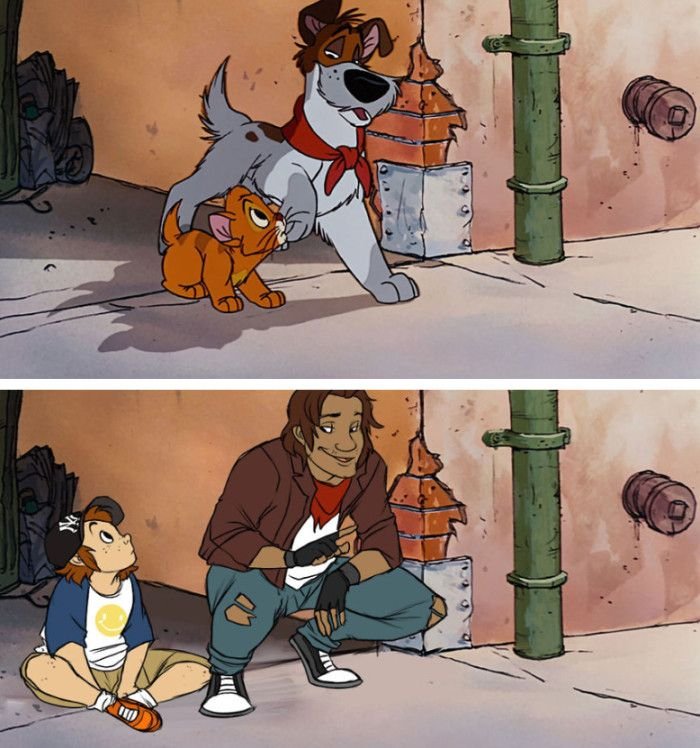
The screen flickers with a familiar character, yet something feels... different. You blink, do a double-take, and realize the character you've known for decades has been subtly, or perhaps dramatically, transformed. This isn't just a reboot; it's a reimagining, a powerful cultural phenomenon often sparked by the potent combination of Reimagining Iconic Characters: Diversity, Fan Agency, and 'Black Bart'. It's about more than just changing a character's race or gender; it’s a profound conversation about representation, ownership, and the evolving relationship between creators and their audience in the 21st century.
This isn't a simple casting choice; it's a reflection of deeper societal shifts where inclusivity isn't just a buzzword, but a demand, and where fans are no longer passive consumers but active participants in shaping the stories they love.
At a Glance: What You'll Learn
- Why Representation Matters: Understand the historical lack of diversity and its impact, and why authentic representation is crucial for all audiences.
- Defining Reimagining: Differentiate between simple reboots and true character reimagination that brings new layers of meaning.
- The Power of Fan Agency: Discover how fan communities drive change, advocate for diversity, and even inspire character transformations.
- The "Black Bart" Phenomenon: Explore a prime example of fan-driven reimagining and its broader implications.
- Best Practices for Creators: Learn how to approach reimagining characters thoughtfully, avoiding common pitfalls and fostering genuine inclusivity.
- The Business Case for Diversity: See why embracing diverse characters isn't just ethical, but economically smart.
The Long Shadow of Sameness: Why We Needed a Change
For decades, the landscape of popular culture often reflected a narrow slice of humanity. If you look back, most protagonists in film, television, and comics were predominantly white, male, and often conformed to a very specific archetype. Marginalized groups were largely absent or, worse, relegated to two-dimensional stereotypes that reinforced harmful biases. This wasn't just an aesthetic choice; it had real-world consequences, shaping how entire generations perceived themselves and others.
The pushback against this homogeneity isn't new. It’s rooted in the Civil Rights Movement of the 1960s, when activists and thinkers began demanding that media reflect the rich tapestry of society, not just a dominant group. Yet, progress has often been slow, punctuated by incremental changes rather than widespread revolution.
Beyond Tokenism: The Real Impact of Seeing Yourself on Screen
Imagine growing up and never seeing someone who looks like you, shares your cultural background, or understands your unique experiences as the hero of a story. The psychological impact can be profound, subtly reinforcing a sense of "otherness" or invisibility. Conversely, the moment a character steps onto the screen who genuinely reflects an underrepresented group, the effect can be monumental.
Think about the global impact of Black Panther. It wasn't just a superhero movie; it was a cultural touchstone that shattered box office records and proved that stories centered on Black excellence, directed by Black creators, could resonate universally. Similarly, Crazy Rich Asians broke barriers for Asian representation, while shows like Pose brought vibrant, nuanced LGBTQ+ and trans narratives to the forefront. These aren't isolated incidents; they're milestones in a growing movement, demonstrating the power of authentic representation to validate identities and inspire dreams. Indeed, we're seeing more data emerge from studies on the impact of representation that highlight these positive effects.
However, the journey isn't over. While on-screen diversity is increasing, challenges like tokenism – where a single character is expected to represent an entire group – and the perpetuation of new stereotypes still exist. True diversity requires a sustained commitment to nuanced, multi-dimensional portrayals that defy simplistic categorization.
What Does "Reimagining" Really Mean?
The term "reimagining" often gets conflated with "reboot" or "remake," but there's a crucial distinction. A reboot might simply update a story for a new generation (e.g., a new Batman movie with a different actor). A reimagining, however, delves deeper. It takes the core essence, the iconic qualities of a character, and reinterprets them through a new lens—often one informed by diverse perspectives, contemporary social issues, or a fundamental shift in their identity.
This isn't about erasing the past or dismissing original interpretations. Instead, it’s about expansion, about asking "What else could this character be?" or "How would this character exist if they were from a different background, gender, or orientation?" It's a creative act that can breathe new life into well-worn narratives, making them relevant and resonant for a broader, modern audience. It acknowledges that stories, like societies, are not static; they evolve.
The Rise of Fan Agency: When Audiences Take the Wheel
The internet changed everything. Before, fans were consumers, their feedback largely confined to letters to editors or conventions. Now, through social media, online forums, and crowdfunding platforms, fans possess unprecedented agency. They can organize, campaign, advocate, and even create their own content, shaping narratives in real-time. This collective voice is powerful, capable of propelling discussions about representation and demanding change from major studios.
Fan communities, driven by passion and a deep understanding of beloved characters, often spearhead calls for more inclusive casting and storylines. They'll launch hashtags, write compelling arguments, create fan art, and even produce elaborate fan films, all contributing to a cultural conversation that can be impossible for creators and studios to ignore. If you dive into the rich history of fan activism, you'll see this isn't a brand new phenomenon, but rather an amplified one.
The "Black Bart" Phenomenon: A Case Study
Perhaps one of the most intriguing and instructive examples of fan-driven reimagining is the rise of "Black Bart." We’re not talking about a sanctioned, official character from The Simpsons, but rather a cultural phenomenon born from fan art, memes, and a collective desire to see iconic characters reflect a wider spectrum of identities.
For those unfamiliar, "Black Bart" refers to numerous fan-created images and discussions that depict Bart Simpson, the mischievous yellow-skinned icon, as a Black child. These aren't malicious parodies; they are often heartfelt, visually compelling reimaginations that explore what Bart’s personality and antics would look like through the lens of a different racial identity. This phenomenon emerged organically, primarily on platforms like Tumblr and Twitter, showcasing how fans actively engage with and adapt beloved intellectual property.
What makes "Black Bart" so significant?
- Audience-Driven: It’s a pure manifestation of fan agency, demonstrating how a collective desire for representation can lead to unofficial, yet widely recognized, character transformations.
- Challenging Norms: It implicitly questions the default whiteness of many iconic characters and asks why that default exists.
- Creative Freedom: It highlights the boundless creativity within fan communities, unconstrained by studio mandates or corporate risk aversion.
- A Mirror to Society: The discussions around Black Bart often delve into deeper societal issues, from racial identity and cultural experiences to the very nature of what makes a character "iconic."
- Paving the Way: While unofficial, these fan-driven movements contribute to the broader cultural push that eventually influences official creators. They show there's an audience appetite for such changes.
The "Black Bart" narrative, while fictionalized by fans, represents a powerful form of cultural critique and celebration. It asks, "Why not?" and in doing so, opens doors for conversations that might otherwise remain closed. To dive deeper into this fascinating example, you can Discover more about Black Bart Simpson.
Navigating the Minefield: Pitfalls and Best Practices in Reimagining
While the intention behind reimagining characters for diversity is overwhelmingly positive, the execution can be fraught with challenges. Get it wrong, and you risk alienating existing fans, perpetuating new stereotypes, or even facing accusations of "wokeness" for the sake of it.
Common Pitfalls to Avoid:
- Tokenism: Simply changing a character's race or gender without any deeper exploration of what that means for their story, personality, or background. This often feels superficial and can be worse than no representation at all.
- Stereotyping: Replacing one set of stereotypes with another. A Black character should not just be a "sassy friend," nor an Asian character solely a "tech genius." Authenticity demands nuance. This relates directly to understanding common tropes and stereotypes in media and actively working against them.
- Forced or Inauthentic Changes: When a change feels unearned or inconsistent with the character's established lore (if lore is meant to be maintained). While reimagining often involves breaking from tradition, it should still feel deliberate and meaningful, not arbitrary.
- Ignoring Source Material Entirely: While reimagining allows for flexibility, completely discarding what made a character iconic in the first place can frustrate long-time fans who feel their attachment is disrespected. A balance is key.
- Lacking Diverse Voices in Production: If a diverse character is being reimagined or created by an entirely homogenous writing and production team, it often leads to inauthentic portrayals. "Nothing about us without us" applies strongly here.
- Economic Risk Aversion: Studios often prefer "safe" stories, which historically meant stories with predominantly white, male leads. This risk aversion marginalizes diverse narratives, despite growing evidence that diverse content performs well financially.
Best Practices for Thoughtful Reimagining:
- Start with "Why?": Before changing a character's identity, ask why this change is being made. Does it serve the story? Does it open up new narrative possibilities? Does it offer a unique perspective?
- Embrace Authenticity: Bring diverse writers, directors, consultants, and actors into the creative process. Their lived experiences are invaluable for crafting believable and respectful portrayals. This is crucial for avoiding pitfalls.
- Deepen the Character: Don't just change skin color or gender; explore how that identity impacts their experiences, relationships, motivations, and the world around them. What new conflicts or strengths emerge?
- Respect the Core: Identify what makes the character iconic at their core. Is it their courage, their wit, their moral compass? Preserve these essential qualities while adapting their external presentation.
- Engage with Fan Communities (Carefully): While not every fan demand can be met, listening to legitimate concerns and desires from diverse fan groups can provide valuable insights and build goodwill.
- Be Prepared for Pushback: Change, especially regarding beloved characters, often sparks controversy. Creators should be prepared to articulate their vision and stand by their choices, understanding that not everyone will be pleased.
- Focus on Nuance: Life is complex, and so are people. Ensure reimagined characters are as multifaceted and flawed as their original counterparts, avoiding simplistic portrayals.
The Business Imperative: Why Diversity Isn't Just Good Ethics, It's Good Business
Beyond the ethical imperative, there's a compelling economic argument for diversity in character reimagining and storytelling. The idea that "diverse stories don't sell" has been thoroughly debunked. The success of films like Black Panther, which grossed over $1.3 billion worldwide, or the consistent top rankings of diverse shows on streaming platforms, clearly demonstrate massive audience demand.
- Expanded Audience Reach: Diverse characters attract broader audiences who are hungry to see themselves reflected in media. This means more viewers, higher ratings, and bigger box office numbers.
- Global Appeal: As content increasingly travels across borders, diverse narratives resonate with global audiences, expanding market reach significantly. Globalization is a key factor here, bringing international films and diverse cultural narratives to wider audiences.
- Innovation and Fresh Stories: Diverse creative teams bring new perspectives, leading to innovative storytelling that breaks away from stale tropes and formulaic plots. This keeps content fresh and engaging.
- Brand Loyalty: Audiences who feel seen and respected by a brand or franchise are more likely to be loyal, long-term consumers.
The industry is slowly but surely recognizing this, implementing initiatives like diversity quotas, mentorship programs, and investing in diverse talent both in front of and behind the camera. This isn't just about corporate social responsibility; it's about smart business decisions that tap into previously underserved markets. In fact, many reports now highlight the undeniable economic benefits of diversity across all sectors, not just entertainment.
Crafting Authentic Reimaginations: A Framework for Creators
So, how do you actually do it? How do you take an iconic character and thoughtfully reimagine them for a diverse world without losing their magic? Here's a practical framework:
- Deconstruct the Icon:
- Core Archetype: What fundamental human truth or archetype does this character embody (e.g., the trickster, the hero, the rebel)?
- Essential Traits: What are their non-negotiable personality traits, skills, or moral compass points?
- Contextual Elements: What aspects of their original identity were purely contextual to their time or setting, and which are intrinsic?
- Define the New Lens:
- Identify the New Identity: What specific aspect of diversity are you exploring (e.g., racial identity, gender identity, disability, cultural background)?
- Impact Assessment: How would this new identity fundamentally shift their experiences, challenges, relationships, and worldview in the story's setting?
- Avoid Superficiality: Commit to exploring the implications of this identity change, not just the visual alteration.
- Build a Diverse Creative Team:
- Hire Inclusively: Ensure writers, producers, directors, and consultants from the specific background you're portraying are part of the team.
- Empower Voices: Give these team members real authority and listen to their insights, rather than treating them as mere "check-box" consultants.
- Story First, Then Identity:
- Integrate Naturally: The character's identity should be woven into the fabric of the story, not bolted on. Their experiences should inform their actions and motivations.
- Avoid the "Diversity Episode": Their identity shouldn't be the sole focus of an entire story arc unless it's genuinely integral to the plot. Let them simply exist as a multi-dimensional character.
- Anticipate and Engage (Respectfully):
- Open Dialogue: Be prepared for discussions and critiques. Engage thoughtfully with both supportive and critical voices.
- Educate and Explain: Use interviews and behind-the-scenes content to explain the creative choices and intentions behind the reimagining.
Common Questions & Misconceptions
Q: Isn't reimagining just "woke" culture gone too far?
A: Not at all. Reimagining is a natural part of storytelling evolution. Throughout history, myths and characters have been reinterpreted to reflect new eras. Today, it's driven by a societal desire for more inclusive and representative media, which benefits everyone by offering richer, more diverse narratives.
Q: Are you saying we should change all existing characters to be diverse?
A: No, the goal isn't to change every character, but to expand the landscape. It's about opening possibilities, challenging defaults, and creating new, diverse characters alongside thoughtfully reimagined ones. It's about variety and inclusivity, not erasure.
Q: Won't reimagining alienate original fans?
A: It's a risk, but it's not inevitable. When done thoughtfully and respectfully, reimagining can attract new fans while retaining many existing ones who appreciate fresh perspectives. The key is authenticity and a genuine commitment to good storytelling.
Q: Why can't we just create new diverse characters instead of changing old ones?
A: Both approaches are valuable and necessary! Creating new characters is essential for expanding the universe of diverse stories. Reimagining existing icons, however, taps into established cultural recognition, allowing new audiences to connect with familiar archetypes through a fresh, representative lens. It also directly confronts the historical lack of diversity in established properties.
The Unfolding Tapestry: What's Next for Iconic Characters
The future of reimagining iconic characters is vibrant and complex. As technological advancements continue to democratize access for diverse creators – especially through platforms like streaming services – we'll likely see an even greater surge in varied content. You can read more about how streaming platforms are shaping the future of content and its implications. The audience, empowered by social media, will continue to play a crucial role, their demands and creative contributions constantly pushing the boundaries of what's possible.
The shift is not just superficial; it's a fundamental recalibration of who gets to tell stories, whose stories are valued, and who gets to see themselves reflected as heroes, villains, and everything in between. It’s about building a richer, more representative cultural canon for generations to come.
As creators continue to experiment, listen, and innovate, the iconic characters of tomorrow—and the reimagined icons of today—will undoubtedly be a more colorful, complex, and inclusive reflection of our truly diverse world. The conversation, sparked by everything from thoughtful studio decisions to fan-made "Black Barts," is only just beginning, and we're all invited to be a part of it.